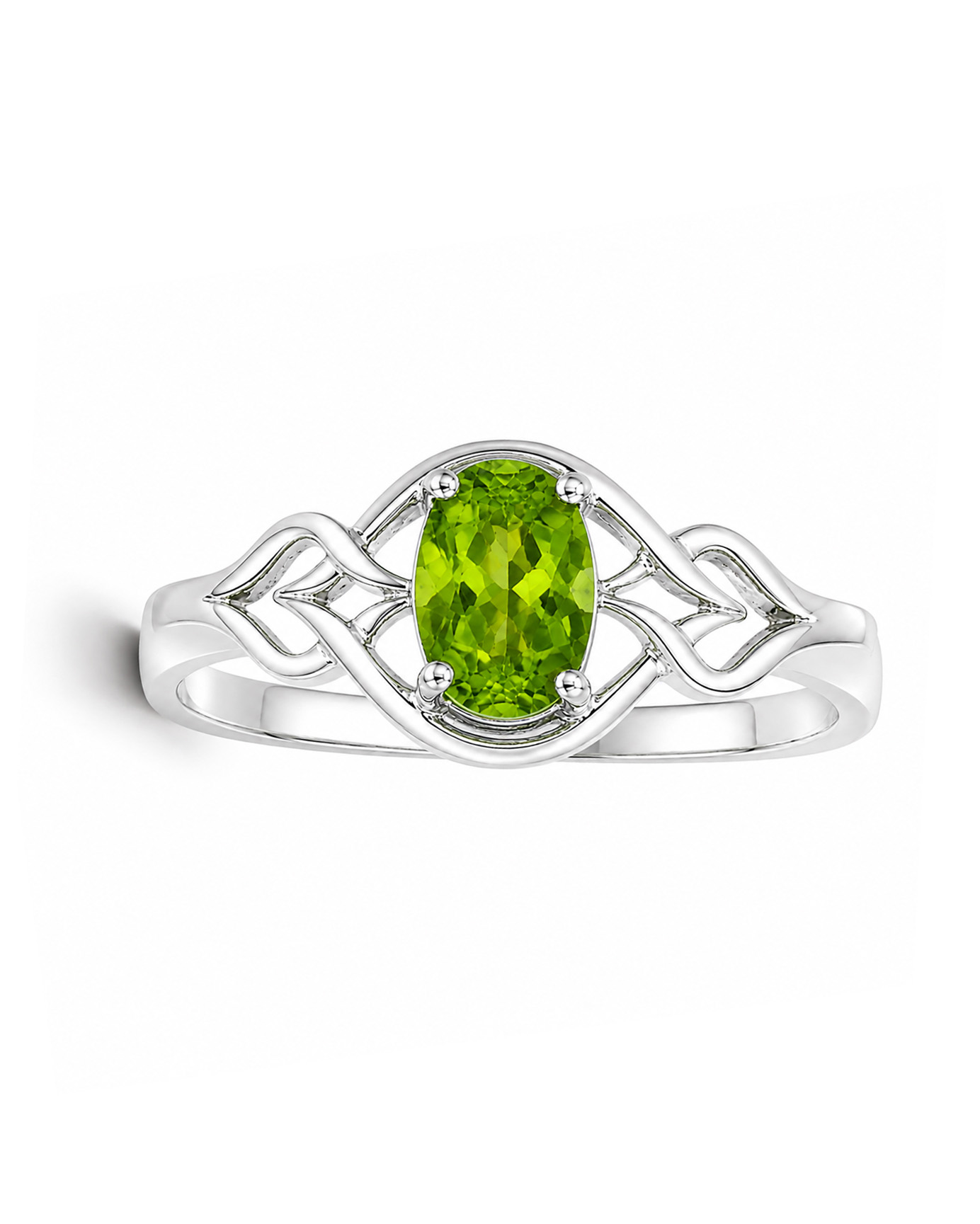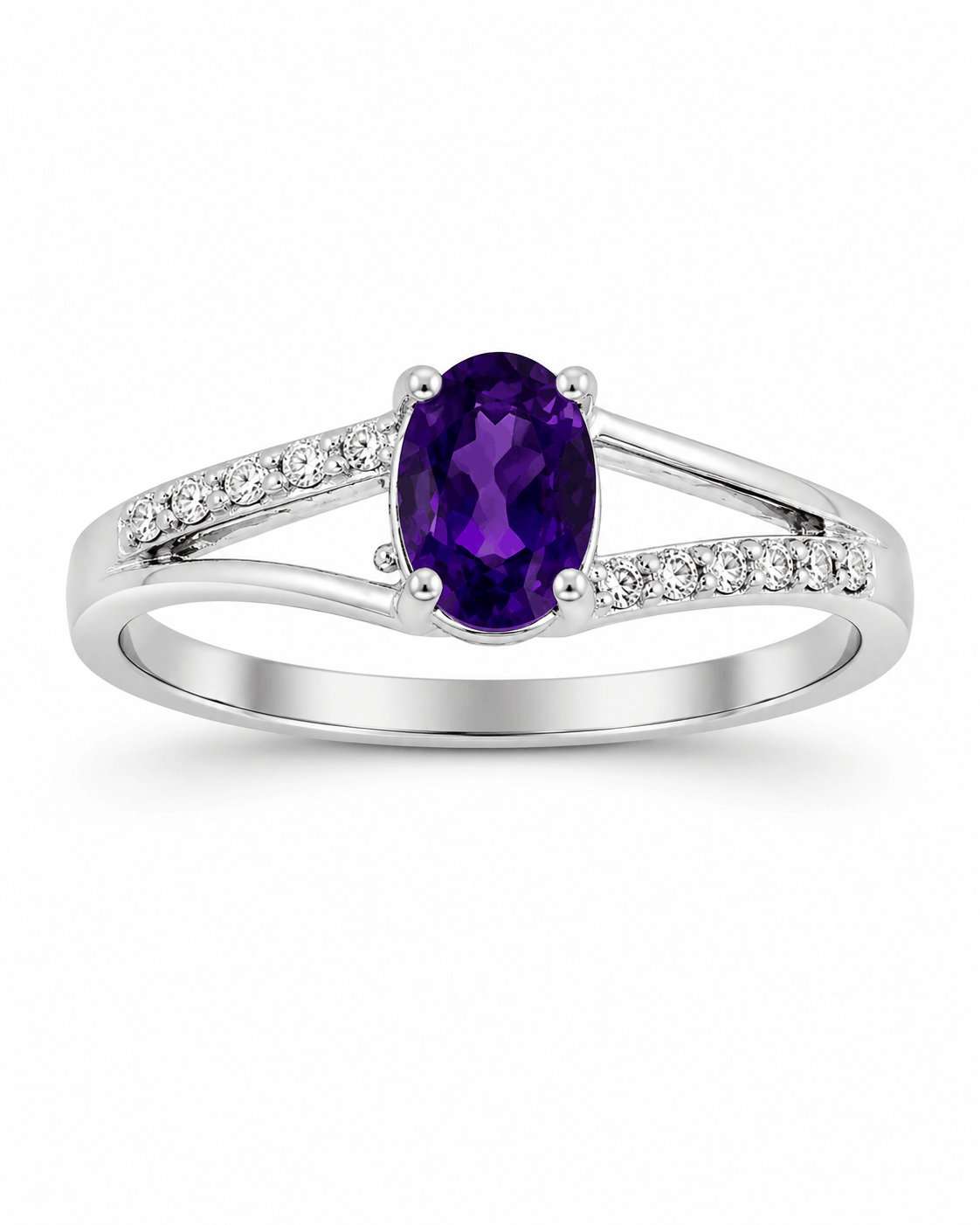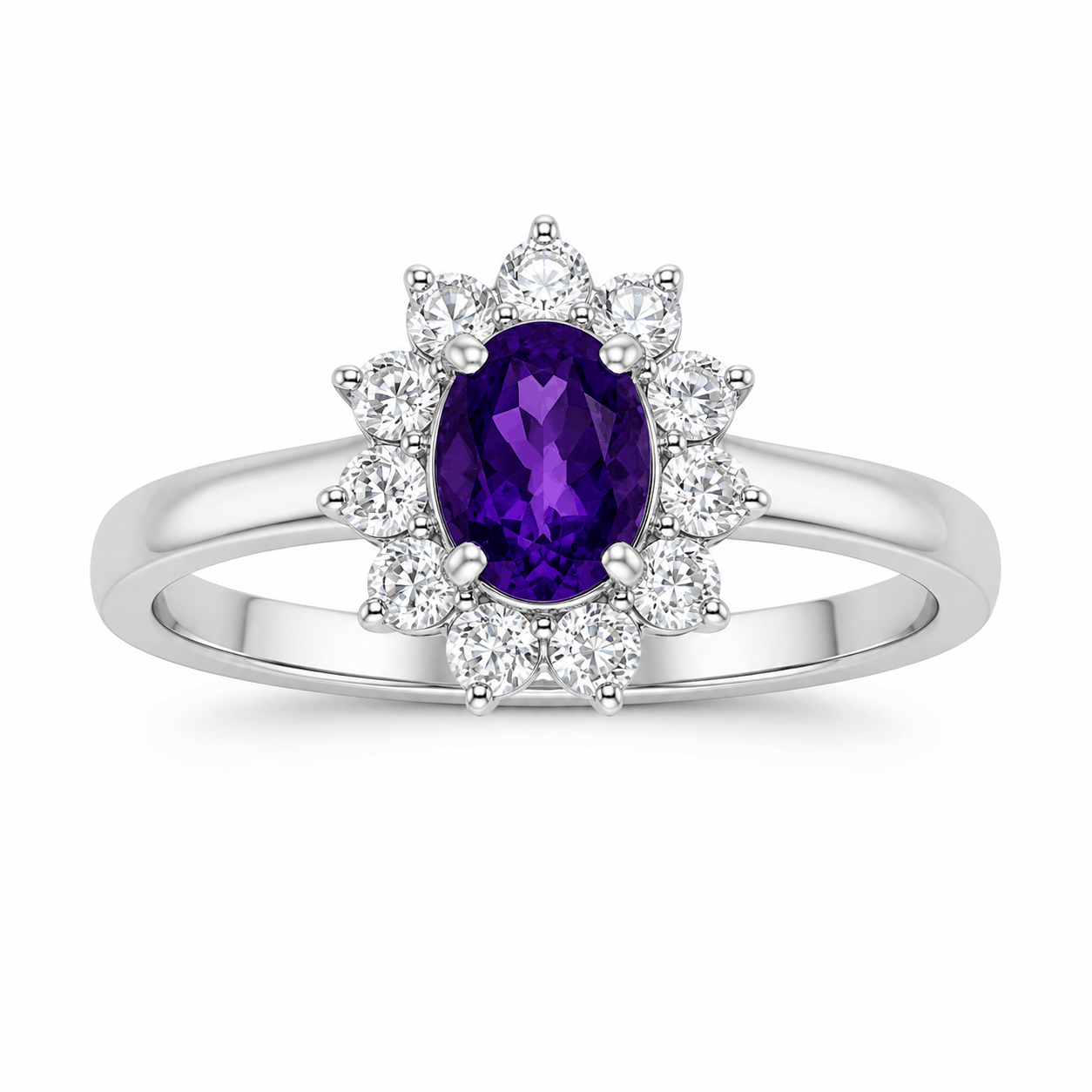
One of the most common questions we receive at Anello is: "Should I buy a gold ring or a platinum ring?" Both are beautiful, prestigious metals — but they have significant differences in price, durability, appearance, and cultural significance in India. Here is a complete comparison.
Gold Rings — India's Traditional Choice
Gold has been the metal of celebration, prosperity, and love in India for over 5,000 years. It is woven into wedding ceremonies, gifting traditions, and auspicious rituals across every Indian state and religion. Choosing gold for a ring carries deep cultural meaning that platinum simply doesn't share.
Types of Gold Available
**22K Yellow Gold (91.6% purity)**: The purest gold you can wear in a ring without it being too soft. Rich, warm, deeply traditional. BIS Hallmarked. Ideal for wedding bands, engagement rings for traditional families, and investment pieces.
**18K White Gold (75% purity)**: Alloyed with nickel or palladium to create a white colour, then rhodium plated for brightness. Appears very similar to platinum but at a much lower price. The most popular setting for diamond rings in urban India.
**18K Rose Gold (75% purity)**: Alloyed with copper to create that distinctive blush warmth. Flattering on Indian skin tones. Modern, romantic, and trending strongly.
Gold Pros
Gold Cons
Platinum Rings — The Prestige Metal
Platinum is the rarest, densest, and most prestigious metal used in fine jewelry. It is approximately 30 times rarer than gold. Its naturally white colour never needs rhodium plating, and it is hypoallergenic — making it ideal for those with skin sensitivities.
Platinum 950 — The Standard
In India, fine platinum rings are made from Platinum 950 — 95% pure platinum. This is purer than 18K gold (75% purity) and more durable in daily wear.
Platinum Pros
Platinum Cons
Explore our gold rings or browse the diamond rings collection to see both metals in action.